
Education Programmes
The collaboration of Bodossaki Foundation with Trans Adriatic Pipeline (TAP) AG concerned the identification, preparation, implementation and monitoring of social and environmental initiatives in Greece and, in particular, in the three regions traversed by the TAP pipeline.
The ΤΑΡ – Bodossaki Foundation collaboration is part of TAP’s extensive social and environmental investments (SEI) programme, budgeted at a total of €32 million, which TAP has voluntarily undertaken to implement in all three Regions of Northern Greece along its route.
The primary objective these investments is to support all the local communities which are affected by the pipeline project. In selecting these communities, TAP works with the regions’ residents, competent authorities and other local bodies, always with a view to ensuring the substantial contribution and sustainability of every project undertaken.
In this context, two large educational and training programs were implemented:
1.Education and training programme in Gas Technology offered by the International Hellenic University
At an event held on Thursday, 26 April 2018 at the Eastern Macedonia and Thrace Technological Educational Institute (TEI) and attended by Press representatives, the “Gas Technology” education and training programme was presented. The programme, which is offered free of charge and is implemented with the financial support of Trans Adriatic Pipeline (TAP) AG, aims to create a new generation of specialist executives, fully qualified in the operation and safety of gas pipelines. The programme is modular and combines theoretical and laboratory training in basic and advanced technologies. More specifically, the programme is organised in five modules, which are the following:
- General Principles of Gas Technologies
- Operation of Gas Transmission Systems
- Maintenance of Gas Pipelines and Installations
- Inspection of Gas Pipelines and Installations
- Safety of Gas Pipelines and Environmental Protection
Each module is composed of six sub-modules, while the participants to the programme can choose one or even up to all five programme modules from those listed above, i.e. the entire programme, which runs for a total of 500 teaching hours per year. The initiative will have a duration of two academic years and is funded by TAP, in the context of the SEI programme which the organisation is implementing in the areas traversed by the pipeline. Bodossaki Foundation, as the TAP partner supporting the implementation of the pipeline project’s investments in the local communities, is the programme’s manager.
To view the relevant Press release (available in Greek only), click here.
2.Investing in energy-focused postgraduate programmes
On 21 September 2017, Trans Adriatic Pipeline (TAP) AG presented its €1 million initiative for funding postgraduate (Master’s) programmes in the energy sector, offered by the University and the Technological Educational Institute (TEI) of Western Macedonia – the Region’s two tertiary education institutions (following the synergy of the two institutions, both Postgraduate Programs are now offered by the University of Western Macedonia). This investment is implemented in the context of the broader collaboration between TAP and Bodossaki Foundation.
With this initiative, TAP covered, over a period of five years, 50% of tuition fees for a total of 90 students per year attending the following postgraduate programmes:
- “Advanced Engineering of Energy Systems (ADVENS)” (former “Energy Resources Management & Utilisation Technologies”), offered by the University of Western Macedonia.
- Greek-Azerbaijani Inter-University Master’s Programme – “Petroleum Oil and Gas Management & Transportation” (M.Sc. MOGMAT), offered by the University of Western Macedonia (former TEI of Western Macedonia) in collaboration with the Azerbaijan State University of Economics.
3. A programme supporting agri-food education “THRIVING LAND”
The Trans-Adriatic Natural Gas Pipeline (TAP) initiative “THRIVING LAND | Supporting Agri-Food Education”, with a total budget of €1 million, is completed 3 years after the programme’s announcement, leaving behind a significant legacy for the further development of the agri-food sector in the country. “THRIVING LAND” was developed in partnership with Bodossaki Foundation, which also undertook the management of the programme. The other participants in the programme were the American Farm School (AFS) and the Institute of Applied Biosciences (INAB) of the National Centre for Research and Technological Development (CERTH).
The initiative is part of TAP’s broader Social and Environmental Investment programme and was implemented in the three Regions of Northern Greece through which the pipeline runs – Eastern Macedonia and Thrace, Central Macedonia, Western Macedonia. Its purpose was to support agriculture and livestock farming, two key sectors for the Greek economy, especially in Northern Greece. The programme’s implementation was based on the combination of modern cultivation approaches, scientific methods of genetic identification, and marketing techniques.
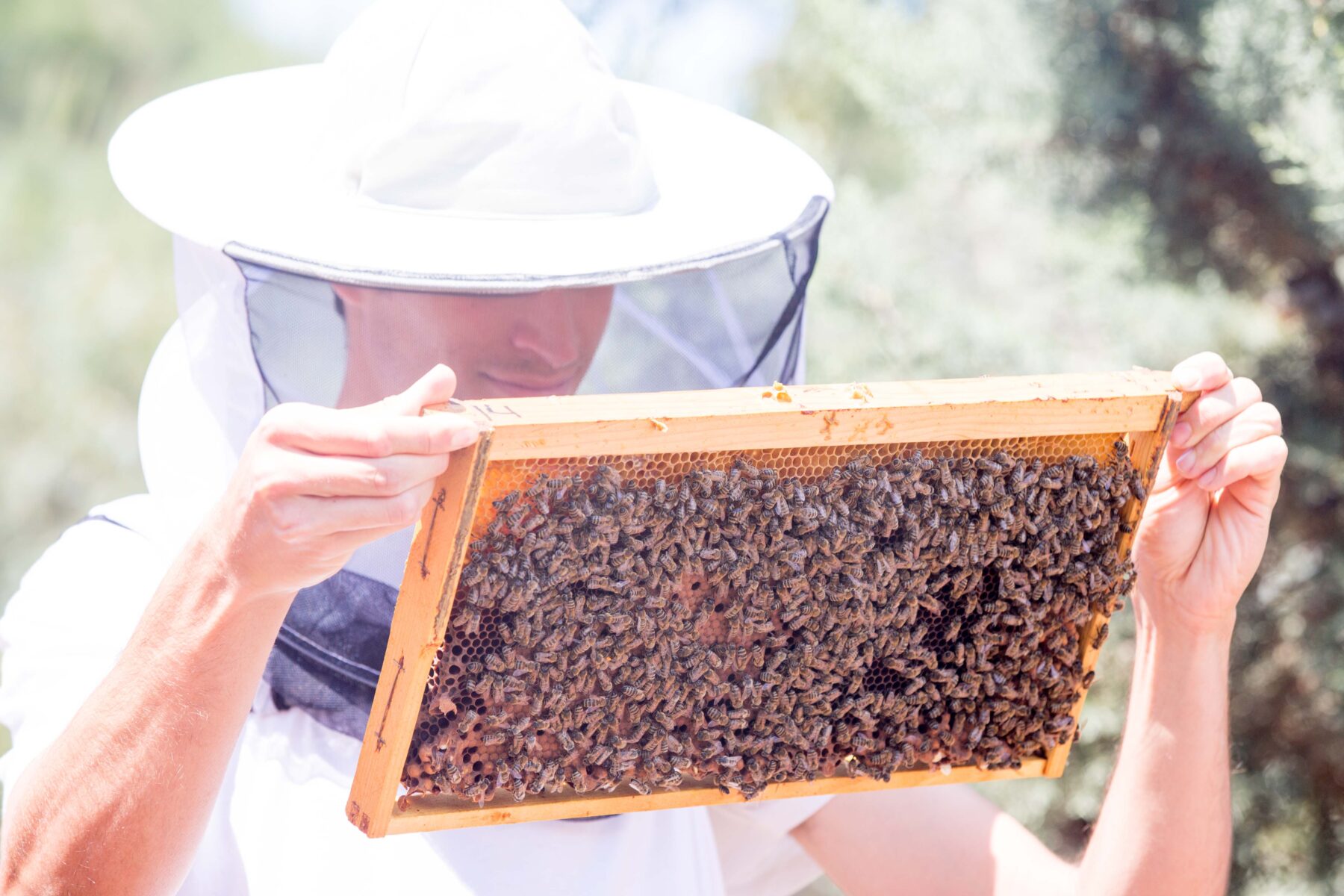
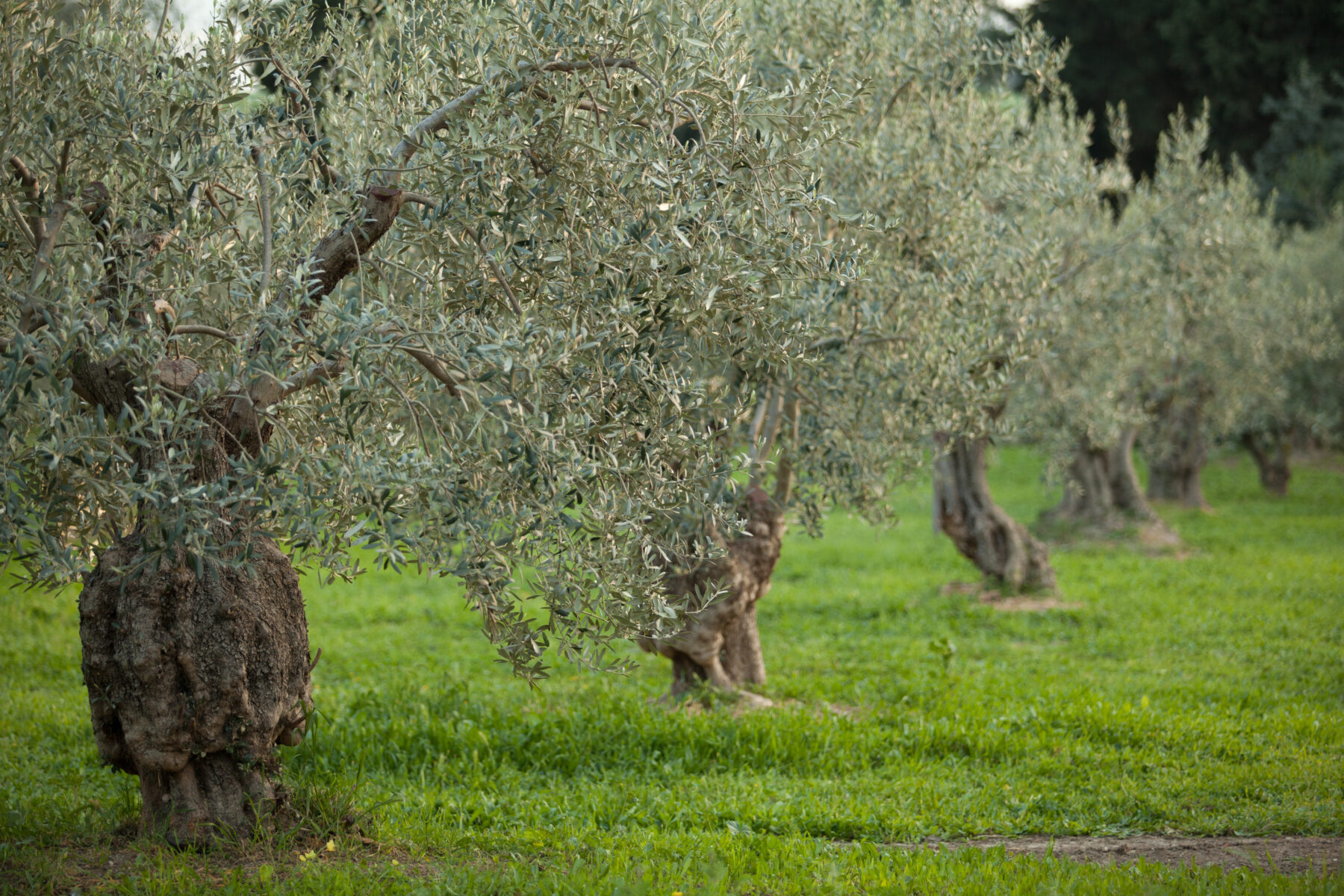
The “THRIVING LAND” programme focused on 8 types of locally produced products selected due to their distinctive characteristics and potential: honey and apiculture products, olives and olive oil, aromatic and medicinal plants, beans, fruit trees, “petimezi” (sugar cane molasses), peppers, and livestock products. A key aspiration of all participants was for these products to function, upon the programme’s completion, as “ambassadors” of the areas where they come from. This in turn makes the TAP project a unique and innovative example of the development of peripheral regions of the agricultural sector in Greece.
Work under the programme was designed and carried out in two strands – education/mentoring and genetic and biochemical analysis. In the first strand, the American Farm School offered to over integrated educational programmes to more than 700 direct beneficiaries of the programme, combined with personalised mentoring on optimal cultivation methods, the processing of agricultural products, and marketing and advertising principles. INAB, for its part, used cutting-edge technologies from the fields of genetics and biochemistry to analyse hundreds of samples of agricultural products and identify their particular characteristics and properties. In this way, it created a “genetic identity” that highlights the quality characteristics of these distinct products and can also be used to support their added value, both in Greece and abroad.
Moreover, a sophisticated telecommunications network based on LoRa (Long Range) technology was established during the project. The American Farm School installed state-of-the-art telemetry systems in primary production facilities located in the areas traversed by the TAP pipeline, offering capabilities for digital interconnection and remote monitoring of primary production, standardisation and processing facilities, as well as transport activities. This network can provide producers, free of charge, with real-time information on soil and meteorological parameters of their cultivated areas, thus making a decisive contribution to the digital transformation of the Greek countryside. With a capacity to support more than 30,000 producers, this new technological infrastructure represents an important step forward and a legacy to all those involved in the agri-food and supply chain.
This particular programme was named “THRIVING LAND” paying tribute to the fertile soils of Northern Greece. Its completion marks the closing of a circle, yet is leaving behind a significant legacy, as it is expected to have multiplier benefits for the areas where it has been implemented. The programme provided local producers with modern knowledge and with the technological means that will allow them to remain in their native land and let their creativity flourish there, thus opening new paths and prospects for the Greek agri-food sector; yet beyond that, it also created a bridge for communication and for the exchange of knowledge between producers and scientists, highlighting the unique characteristics of dynamic local products and linking agricultural production with tourism.
See an overview of the “THRIVING LAND” programme, below: